
Zrozumienie NARS1: Jak drożdże mogą pomóc odblokować tajemnice zaburzenia NARS1
Jeśli chodzi o zrozumienie rzadkich schorzeń genetycznych, takich jak zaburzenie NARS1, każde nowe badanie przybliża nas o krok do odpowiedzi i, miejmy nadzieję, pewnego dnia, do leczenia.
Niedawne badanie przeprowadzone przez Laboratorium profesora Antony'ego Antonellisa’ pod dyrekcją Sheili Peeples zrobił ekscytujący krok naprzód. Choć może to brzmieć nietypowo, w tej pracy wykorzystano drożdże (tak, ten sam rodzaj, którego używa się do pieczenia!) aby pomóc naukowcom zrozumieć, w jaki sposób zmiany w genie NARS1 wpływają na organizm.
Dlaczego warto studiować drożdże?
Może wydawać się dziwne, że coś tak małego jak drożdże może nas nauczyć o kondycji ludzkiej. Jednak drożdże mają wiele podobieństw do naszych komórek i rosną szybko, co czyni je idealnymi do badania działania genów.
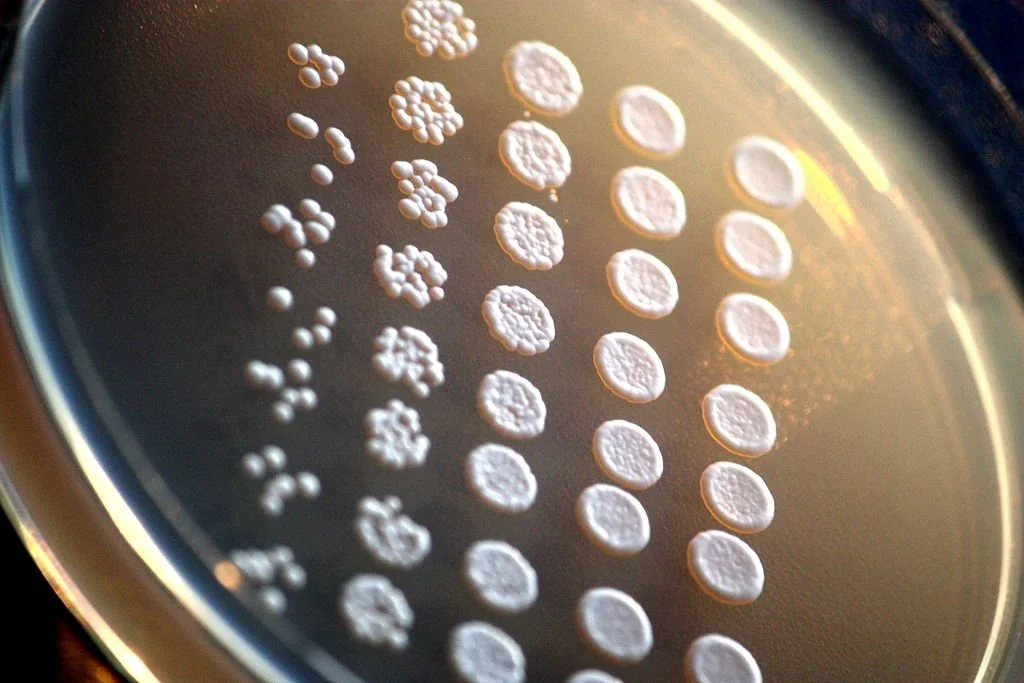
Zaszczepienie kropelkowe mutantów laboratoryjnych drożdży piekarskich (Saccharomyces cerevisiae) na płytce agarowej. Autor: Rainis Venta (dzieło własne) [CC BY-SA 3.0], za pośrednictwem Wikimedia Commons
_agariplaadil..JPG)
W tym badaniu naukowcy chcieli zobaczyć, co się stanie, gdy gen NARS1 nie będzie działał tak, jak powinien. Gen NARS1 wytwarza białko niezbędne do życia. U drożdży, podobnie jak u ludzi, jeśli gen ten zostanie usunięty, drożdże nie mogą przetrwać.
Naukowcy mogą jednak “uratować” drożdże, dodając ludzką wersję genu NARS1, co pozwoli im ponownie żyć i rosnąć. To sprytne podejście oznacza, że mogą wymieniać się różnymi warianty (lub mutacje) ludzkiego genu NARS1, aby sprawdzić, jak każda z nich wpływa na zdolność drożdży do przetrwania.
Jeśli drożdże rosną normalnie, wariant ten nie wydaje się wyrządzać szkód. Jeśli jednak wzrost spowolni lub ustanie, sugeruje to, że wariant ten uszkadza funkcję białka NARS1, co naukowcy nazywają utrata funkcji.
Na co patrzyły badania
Istnieją różne typy wariantów NARS1, które mogą powodować problemy zdrowotne.
Niektóre przyczyny Zaburzenie NARS1, co może wpływać na rozwój i mózg. Inne powodują inny stan zwany Choroba Charcota-Mariego-Tootha (CMT), co ma tendencję do wpływania na nerwy dłoni i stóp, prowadząc do osłabienia mięśni, wysokich łuków stóp i zmniejszonego czucia.
Chociaż oba schorzenia są spowodowane wariantami tego samego genu, objawy i ich nasilenie są bardzo różne.
W tym badaniu zespół porównał kilka wariantów NARS1, w tym te powiązane zarówno z zaburzeniem NARS1, jak i CMT, aby zrozumieć, jak każdy z nich wpływa na aktywność genu.
Co wykazały badania
Wyniki były jasne i zgodne z wcześniejszymi badaniami:
Utrata funkcji (LOF): Sześć z siedmiu testowanych wariantów (zarówno NARS1 Disorder, jak i CMT) powodowało, że drożdże miały trudności i słabo rosły. Potwierdziło to, że warianty powodują a utrata aktywności NARS1.
Efekt dominująco-negatywny: Kiedy naukowcy połączyli zdrowe NARS1 kopiując zmutowaną kopię, zdrowy gen nie był w stanie tego zrekompensować. Zmutowana kopia była dominujący, co oznacza, że aktywnie zakłócał działanie zdrowego białka NARS1. To właśnie naukowcy nazywają efekt dominująco-negatywny.
Poważność ma znaczenie: Co najważniejsze, warianty powodujące zaburzenie NARS1 miały: większy negatywny (toksyczny) wpływ na drożdże niż warianty wywołujące CMT. Sugeruje to bezpośredni związek: im większa utrata aktywności NARS1, tym poważniejszy przebieg choroby.
Dlaczego te badania mają znaczenie dla rodzin NARS1?
Badanie to stanowi ogromny krok naprzód w Opieka i Zmiana dążymy do.
1. Mamy silniejszą fundację: Nauka staje się silniejsza, gdy różne laboratoria uzyskują te same wyniki przy użyciu różnych modeli. Badania te potwierdzają to, co sugerowało poprzednie badanie: mamy teraz niezależny, skonsolidowany dowód mechanizmu zaburzenia NARS1. Ten solidny fundament ma kluczowe znaczenie, gdy zmierzamy w kierunku rozpoczęcia badań klinicznych.
2. Mamy nowe narzędzie do testowania zabiegów: Drożdże są niezwykle skutecznym modelem do testowania leków. Naukowcy nazywają je „lekowalnymi” Ponieważ naukowcom udało się odtworzyć ciężkość choroby u drożdży, dysponują teraz szybkim i dostępnym modelem gotowym do testowania potencjalnych leków, takich jak asparagina. Model ten przybliża nas do znalezienia drogi do leczenia, zanim zainwestujemy w bardziej złożone i drogie modele.
Co będzie dalej?
Niniejsze badanie stanowi celową podstawę kolejnej fali odkryć. Model laboratorium Antonellisa jest obecnie potężnym punktem wyjścia.
Nasze kolejne kroki, wspólnie z naszymi partnerami badawczymi, to:
Przełóż te odkrycia na bardziej złożone modele, obejmujące linie komórek ludzkich, a ostatecznie całe organizmy, takie jak myszy.
Przetestuj potencjalne terapie, sprawdzając, czy możemy przywrócić funkcję NARS1 i odwrócić efekt dominująco-negatywny.
Wspieramy badania który tworzy plan działania od laboratorium do leczenia. Każda rodzina, która wspiera naszą misję, pomaga w opracowaniu tego planu działania.